Pelvic Floor Physiotherapy for Perimenopause & Menopause — tri-fold. Spread 1 = outside (flap · back · cover), spread 2 = inside. Dashed lines are fold guides (screen only). Print double-sided (flip on long edge), fold in thirds.
A woman holding a cup of tea by the window, deep in thought

Common Concerns

Hormonal changes during perimenopause and menopause can affect your pelvic floor

  • Urinary leakage
  • Urgency or frequent trips to the bathroom
  • Pelvic Organ Prolapse (feeling of pressure or heaviness or a bulge in the vagina)
  • Vaginal dryness and discomfort
  • Bowel changes (constipation or difficulty emptying)
  • Pelvic Pain (chronic or related to intimacy)

Our pelvic floor physiotherapists provide comprehensive, compassionate care tailored to your needs. We take time to understand your goals and create a plan that works for you.

How We Can Help

  • Individualized pelvic floor assessment
  • Bladder and bowel strategies
  • Pelvic floor strength, coordination and relaxation
  • Movement and exercise guidance
  • Support for pelvic discomfort and intimacy concerns
  • Pessary assessment and fitting

Ready to feel better?

Book an appointment today:

Suite 335
10601 Southport Rd SW
Calgary, AB T3W 3M6

QR code to optimumperinatal.com
403 690 2221
A smiling woman looking up, relaxed and joyful
Optimum Perinatal Health Optimum Perinatal HealthReady · Recover · Restore

Feel more
like yourself

Pelvic Floor Physiotherapy For Perimenopause and Menopause

Your symptoms deserve attention. and we can help.

Women of different ages stretching together in an exercise class

Pelvic Floor Facts

  • Your pelvic floor does more than you might think. It supports your bladder, bowel, reproductive organs and core.
  • Hormonal changes matter. Decreasing estrogen during perimenopause and menopause can affect the function of your pelvic floor.
  • Leaking urine and pelvic organ prolapse are common, but it is not something you simply have to accept. Pelvic floor physiotherapy and/or use of a pessary can help.
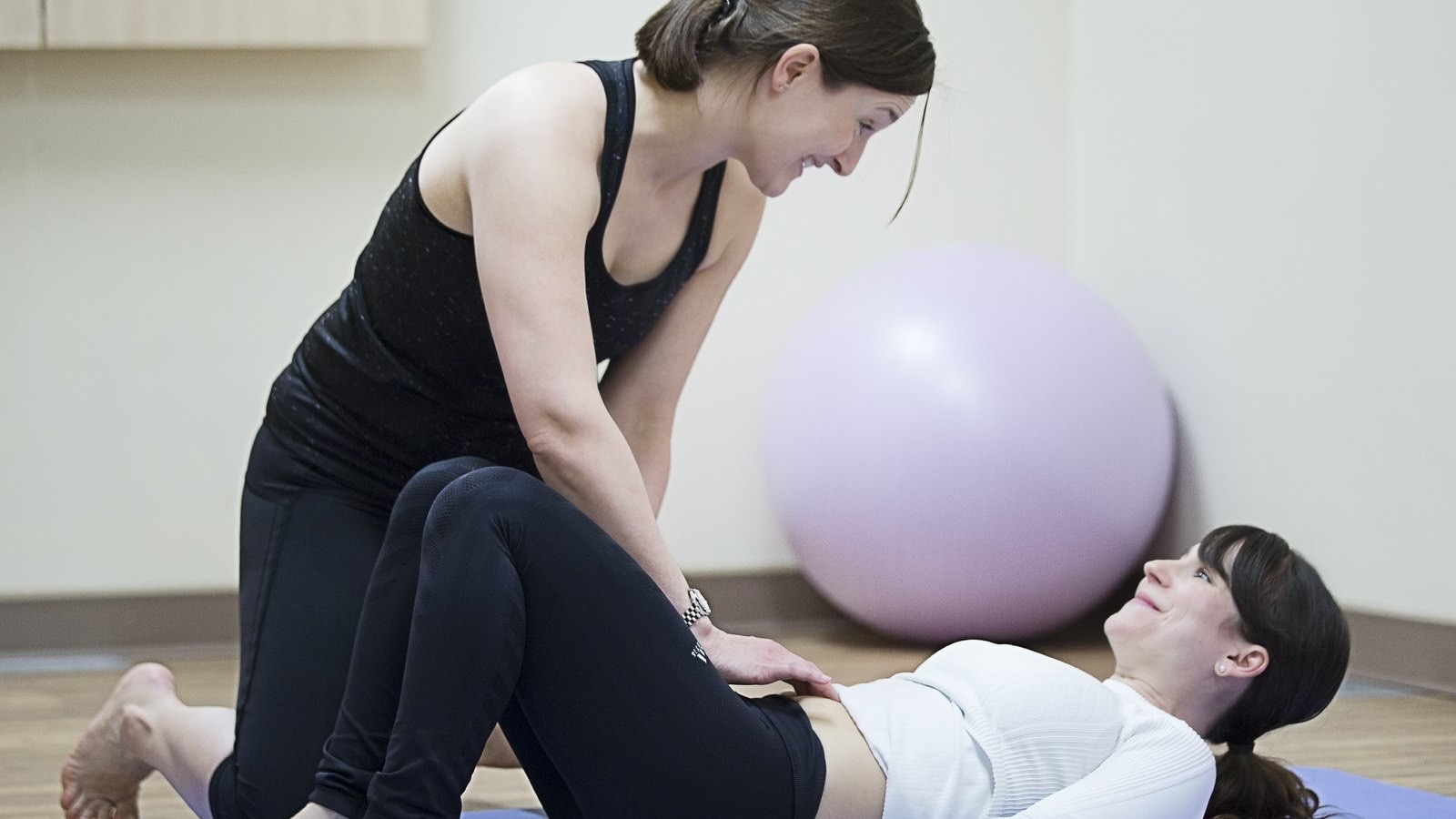
An Optimum physiotherapist guiding a client through a pelvic floor assessment
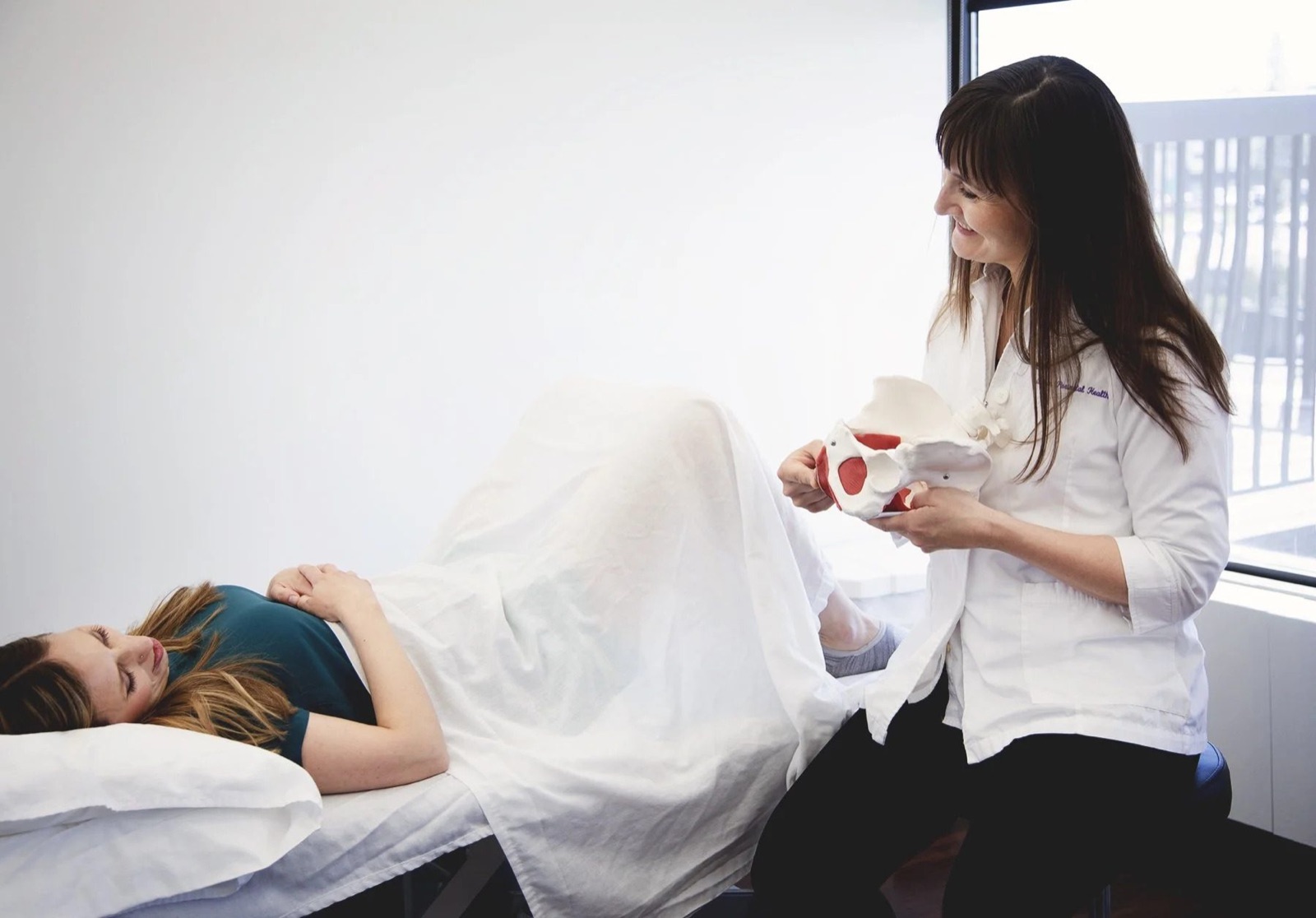
A physiotherapist explaining pessary options using a pelvic model

How Do Pessaries Work?

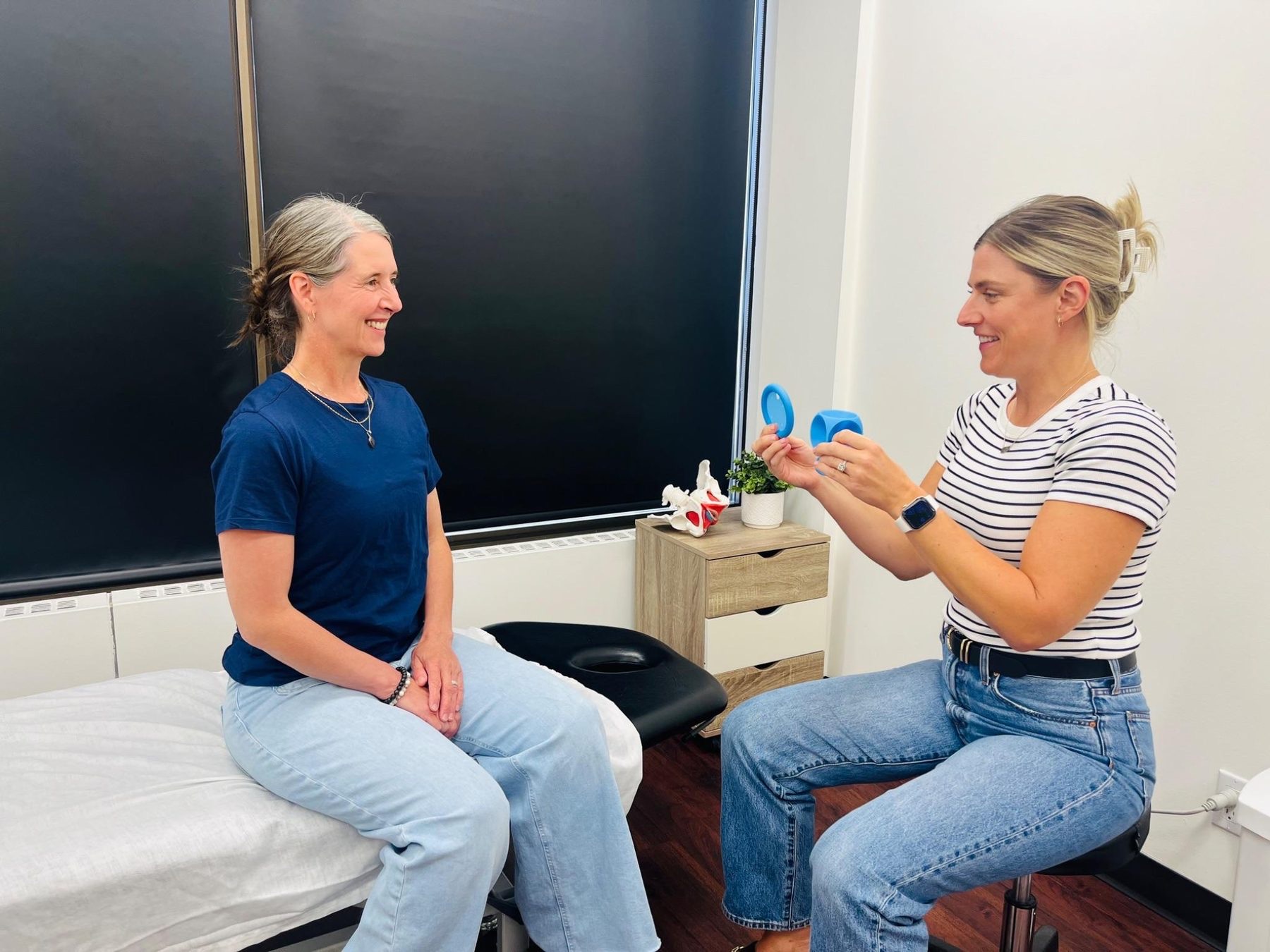
An Optimum physiotherapist showing a client a pessary during a fitting consultation
  • A pessary is a removable silicone device placed in the vagina to support pelvic organs.
  • Pessaries decrease the physical bulging of tissues, restoring the vaginal space and decreasing the sense of heaviness.
  • Some pessaries are shaped to provide specific support to the urethra to treat symptoms such as leaking urine with sneezing, coughing, laughing or exercise.
  • Pessaries can also improve the ability to empty the bladder or bowel.
A woman out for a walk in the park with a water bottle and yoga mat

Pelvic Floor Tips
for Everyday Life

  • Stay hydrated.
  • Move your body. Regular activity supports pelvic health.
  • Take your time. Avoid rushing to the toilet and allow for complete bladder emptying.
  • Support healthy bowel movements. Eat fibre-rich foods, try using a step stool under your feet when you are on the toilet and avoid straining.
  • Breathe. Practice slow, deep breaths and avoid holding your breath.
  • Talk to your doctor if you are experiencing vaginal dryness, leaking of urine, and/or frequent urinary tract infections as you may also benefit from vaginal estrogen.
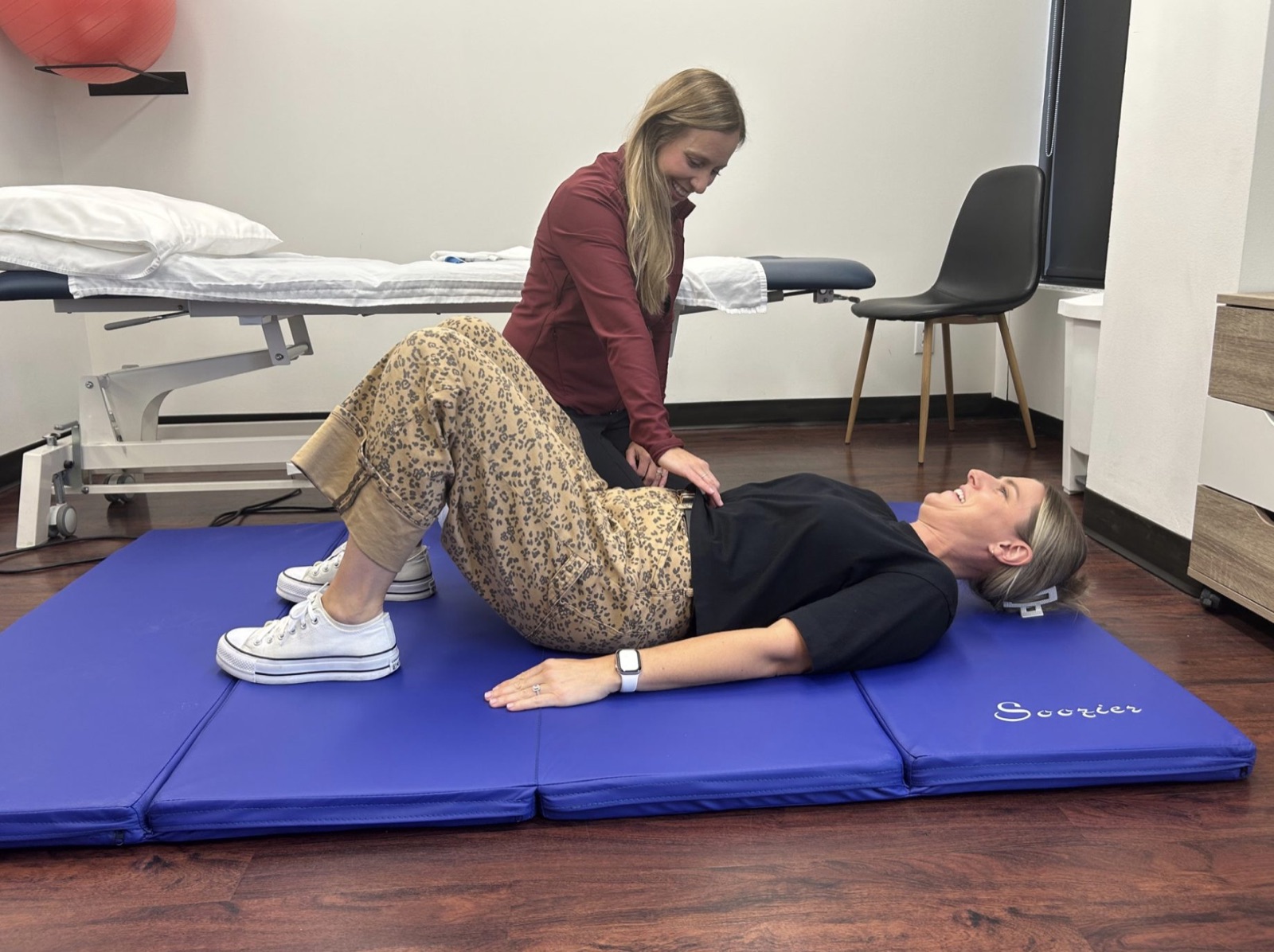
An Optimum physiotherapist cueing a client through pelvic floor exercise on a mat